Blog

From Training Room to Real-Life Response

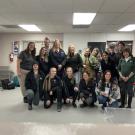
This past April, 22 responders from eight OWCN Member Organizations gathered in Santa Cruz for the Oiled Wildlife Specialist (OWS) training, an advanced two-day course focused on pre-wash care and cleaning and conditioning for oil-affected wildlife.

When Oil Appears Without A Spill

On February 27, the Oiled Wildlife Care Network (OWCN) was activated by the California Department of Fish and Wildlife’s Office of Spill Prevention and Response (CDFW-OSPR) following reports of oiled birds in Central California. While multiple grebes were confirmed to be oiled, investigators did not identify a known anthropogenic (human-caused) spill associated with the reports.

The Spring Surge

Each spring and summer, wildlife rehabilitation centers across California prepare for one of their busiest times of the year: baby season.

From roughly April through September, many species of birds and mammals give birth and raise their young. For wildlife rehabilitation centers, including many organizations that are members of the Oiled Wildlife Care Network (OWCN), this means a dramatic increase in patients arriving at their doors.

Protecting Sea Otters Starts Long Before the Spill

From the moment a wild animal becomes oiled, the response becomes a race against time. The animal’s best chance at survival depends on highly trained expert responders working from practiced and proven protocols to rescue and rehabilitate it. The Oiled Wildlife Care Network (OWCN) brings together world class subject matter experts from across California to ensure animals affected by oil receive the best achievable care, while also maintaining safety and efficiency.

When Two Worlds Collide

Threatened and endangered species are constantly at the forefront of my mind. In California, our at risk for oiling threatened and endangered species include the California condor, southern sea otter, several amphibian species and many others vulnerable to oiling.

Across the world, one species that connects directly to an oil spill survival story is the African penguin.

Behind the Rescue

What Are Snare Mats?

A snare mat — also known as a noose mat — is a flat panel (often a patch of hardware cloth) fitted with small nylon or monofilament loops. Making these traps usually takes 4 to 8 hours to make sure that they are sticking up correctly. When a bird steps onto the mat, one of the loops gently tightens around its leg. The researcher, who is always close by, immediately removes the bird, checks its condition, and begins data collection and in our case, prepares it for safe transport to stabilization or the primary care facility.

Practice Makes Prepared

Earlier this summer, the Oiled Wildlife Care Network (OWCN) Management Team headed down to the California Department of Fish & Wildlife’s Marine Wildlife Veterinary Care & Research Center (MWVCRC) in Santa Cruz for a sea otter washing exercise.

The goal? To put our wash protocols to the test and make sure the facility (open since 1997) is ready to step up when a real oil spill happens.

Facilities 101: Water pressure is important for oiled wildlife!

Back in late June/early July, the OWCN management team traveled down to the Marine Wildlife Veterinary Care and Research Center (MWVCRC) in Santa Cruz  to participate in a sea otter wash drill with our partners at CDFW-OSPR. At this drill I found myself serving as the facilities lead as we were also drilling the facility. In this role it was my job to ensure continued function of equipment and facility infrastructure to include lighting, wash table functionality, water quality, water pressure, boiler functionality, etc.

The 2025 Oiled Wildlife Specialist Course x 2

The Oiled Wildlife Specialist Course is consistently the most requested training we offer to our Network. Because this two-day course focuses on advanced techniques and is best taught in smaller groups, it often fills quickly and develops a waitlist.

More Than Just a Drill: The Method Behind the Message

You’ve seen the email. 
You’ve heard the ding. 
You’ve probably thought, “I’ll get to it later,” or “Not this time,” or even “Ugh, not another OWCN notification!” 

We get it. You’re busy. Hands on trainings are way more fun. But here’s the truth: those emails matter more than you might think.